



Blog
Understanding the Role of Truck Air Tank Valves in Brake Systems: A Comprehensive Analysis
Release time:
Feb 11,2025
Truck air tank valves are integral components of the air brake system in heavy-duty vehicles. These valves regulate the flow and pressure of compressed air stored in the air tanks, which is crucial for activating the braking mechanism. Air tank valves ensure the brakes engage and release properly, providing optimal control and safety when operating the vehicle.
The air brake system in trucks relies heavily on the principles of pneumatically controlled braking, making air tank valves a vital part of this process. There are various types of air tank valves, each designed for specific functions within the braking system.
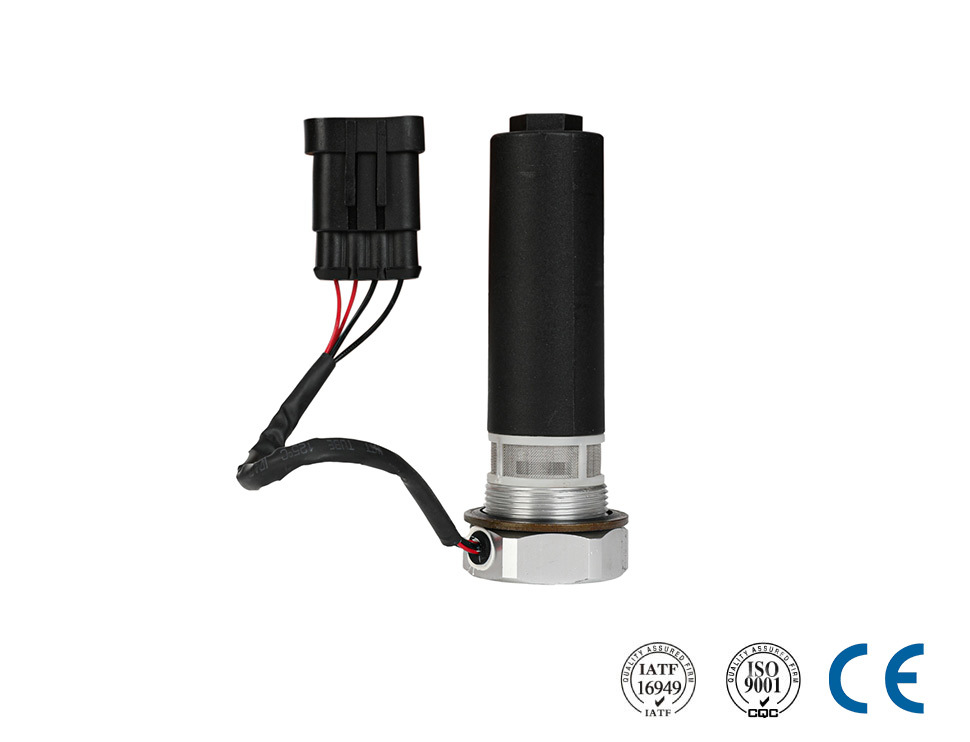
Importance of Air Tank Valves in Brake Systems
The significance of air tank valves in truck brake systems cannot be overstated. Here are several key reasons why these components are critical:
1. Safety Enhancement
Air tank valves contribute significantly to the safety of the vehicle. By regulating air pressure, they ensure that the brakes function correctly, preventing accidents caused by brake failure.
2. Efficient Brake Operation
Proper management of air pressure allows for smoother and more responsive braking. This efficiency is especially crucial when navigating steep grades or heavy traffic situations.
3. Preventing Brake Fade
Brake fade, a reduction in braking effectiveness, can occur when brakes overheat during prolonged use. Air tank valves help maintain optimal air pressure, reducing the risk of brake fade and improving overall brake performance.
How Do Air Tank Valves Work?
The operation of truck air tank valves is based on the principles of pneumatic pressure regulation. Here’s a breakdown of how they function:
1. Compressed Air Storage
The air brake system stores compressed air in air tanks, which is crucial for activating the brakes. When the driver applies pressure to the brake pedal, an air signal is sent to the valves.
2. Air Pressure Regulation
The air tank valves monitor and regulate the pressure of the compressed air. They open and close based on the pressure levels, allowing air to flow to the brake chambers as needed.
3. Brake Activation
When the valves open, compressed air travels to the brake chambers, pushing the brake shoes against the brake drums or rotors. This action slows down or stops the vehicle.
4. Release Mechanism
Once the driver releases the brake pedal, the valves close, preventing air from flowing to the brake chambers. This allows the brakes to disengage and the wheels to turn freely.
Types of Air Tank Valves in Brake Systems
Different types of air tank valves serve various functions within the braking system. Here are the most common types:
Drain Valves
Drain valves are designed to release moisture and contaminants that accumulate in the air tanks. Moisture can lead to corrosion and damage to the braking system, making regular drainage essential.
Safety Valves
Safety valves are crucial for preventing over-pressurization of the air tanks. They automatically release excess pressure to avoid tank rupture or system failure, ensuring safe operation.
Check Valves
Check valves prevent backflow of air in the braking system. They ensure that air flows in one direction, maintaining pressure in the system and allowing for effective brake operation.
Maintenance and Care for Air Tank Valves
Regular maintenance of air tank valves is essential for ensuring their proper function and longevity. Here are several maintenance tips:
1. Routine Inspections
Conduct routine inspections of air tank valves to check for signs of wear, corrosion, or damage. Look for leaks, which can indicate a failing valve.
2. Drain Air Tanks Regularly
Ensure that air tanks are drained regularly to remove moisture and contaminants. This practice helps prevent corrosion and extends the life of the air brake system.
3. Replace Worn Components
If valves show signs of wear or malfunction, replace them promptly. Worn valves can compromise the braking system's effectiveness and lead to safety hazards.
4. Keep the System Clean
Maintain cleanliness in the air brake system to ensure that valves operate smoothly. Contaminants can affect valve performance and lead to failures.
Common Issues with Air Tank Valves and Solutions
Understanding common issues related to air tank valves can help in troubleshooting and maintaining the braking system more effectively. Here are some frequent problems and their solutions:
1. Air Leaks
**Problem:** Air leaks around the valves can reduce brake effectiveness.
**Solution:** Inspect the valves for damage and replace any defective seals or the entire valve if necessary.
2. Moisture Build-Up
**Problem:** Excess moisture in the air tanks can lead to corrosion.
**Solution:** Regularly drain the air tanks and install moisture traps if necessary.
3. Valve Sticking
**Problem:** Valves may stick due to dirt or debris.
**Solution:** Clean the valves and ensure that no contaminants are present. Consider replacing the valves if cleaning does not resolve the issue.
4. Over-Pressurization
**Problem:** Over-pressurization can damage the air tanks.
**Solution:** Inspect and replace malfunctioning safety valves to ensure they operate correctly.
The Future of Air Tank Valves in Brake Systems
As technology advances, the future of air tank valves in brake systems looks promising. Here are some anticipated developments:
1. Integration with Electronic Systems
Future air tank valves may integrate with electronic systems for more precise control over air pressure and braking performance.
2. Enhanced Materials
The development of advanced materials resistant to corrosion and wear will likely increase the lifespan of air tank valves.
3. Smart Monitoring Systems
Implementing smart monitoring systems can provide real-time data on valve performance, helping fleet managers make informed maintenance decisions.
Understanding the role of truck air tank valves in brake systems is essential for ensuring the safety and efficiency of heavy-duty vehicles. These components are fundamental to regulating the compressed air that powers the brakes, making them integral to safe vehicle operation. Regular maintenance, awareness of common issues, and knowledge of the different types of valves can aid in maintaining optimal braking performance. As the industry evolves, so too will the technology surrounding air tank valves, promising even greater improvements in truck safety and reliability.
Related Blog
Share


Address: Unit 503, No. 90, Siming Industrial Park, Meixi Road, Tongan District, Xiamen, P.R.China
WhatsApp: 8615985860812

© Xiamen Jiedeng Machinery Co., Ltd. Powered by: www.300.cn SEO